Add Row
Add Element
affiliate success stories hub favicon image
update
Affiliate Success Stories Hub
update
Add Element
  • Home
  • Categories
    • Success Stories
    • Marketing Tips
    • Strategy Insights
    • Expert Interviews
    • Case Studies
    • Tools & Resources
    • Industry News
April 16.2025
2 Minutes Read

Unlocking Success in Affiliate Marketing: CPA vs RevShare Explained

Vibrant digital design with text for CPA vs RevShare in Affiliate Marketing


The Great CPA vs. RevShare Debate: What You Need to Know

The world of affiliate marketing is buzzing with discussions around two primary compensation models: Cost Per Action (CPA) and Revenue Share (RevShare). For aspiring affiliate marketers and experienced digital entrepreneurs alike, understanding the intricacies of these models can significantly impact success rates and revenue generation.

Understanding the Differences

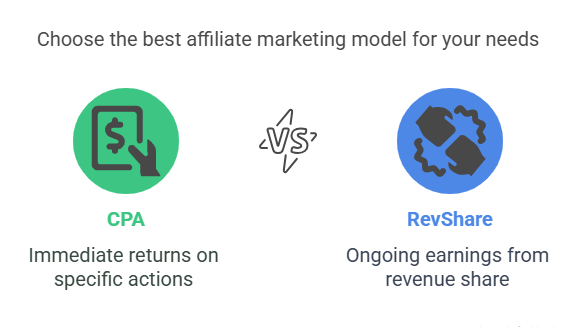
CPA is straightforward—affiliates earn a commission whenever a referred customer performs a specific action, like making a purchase or signing up for a newsletter. This model is enticing for those who prefer immediate returns on their marketing efforts. On the other hand, RevShare offers a percentage of the revenue generated from a sale, creating potential for ongoing earnings as long as the customer remains engaged. This model capitalizes on building long-term relationships with clients, providing a different avenue for income.

A chart titled “AI and Affiliate Marketing: Do’s” compares two traits—Data Usage and Customer Interaction


Choosing the Right Model for You

The best choice between CPA and RevShare depends on personal preferences and business goals. If you value quick payouts and have a strong marketing strategy for driving immediate actions, CPA may be your best bet. However, if you’re in it for the long haul and are committed to nurturing customer relationships, RevShare could yield more significant cumulative earnings in the long term.

Real-World Applications

Many successful affiliate marketers find a hybrid approach beneficial—leveraging both models in different situations. For instance, a marketer might promote a product with CPA for quick returns while simultaneously building a RevShare relationship with a trusted brand. This versatility ensures a more resilient income stream, regardless of market fluctuations.

Conclusion: The Future of Affiliate Marketing

As the digital landscape continues to evolve, the conversation surrounding CPA and RevShare will only grow in complexity. Staying informed and adaptable is key for those in the affiliate marketing space. Whichever path you choose, remain dedicated to learning and responding to market needs.

For more insights and expert advice, jump into the world of affiliate marketing and explore which compensation model aligns best with your goals today!


Strategy Insights

17 Views

0 Comments

Write A Comment

*
*
Related Posts All Posts
12.14.2025

Transform Your SEO with a Product Mindset: Unlocking Agile Success

Update Embracing a Product Mindset for Effective SEO In the fast-paced world of digital marketing, SEO specialists are often frustrated by a backlog of technical tickets that never seem to get resolved. To navigate this landscape effectively, adopting a "product mindset" can be a game-changer. This approach not only enhances collaboration between SEOs and developers but also prioritizes actionable tasks through agile ceremonies that help streamline workflows. Leveraging Agile Ceremonies: Communication is Key Whether you're conducting daily stand-ups or sprint planning sessions, incorporating agile methodologies into your SEO strategy allows for better communication with engineering teams. This proactive engagement helps clarify the development cycle and reduces the chances of critical tasks being overlooked. For instance, attending sprint planning meetings allows SEOs to understand the impact versus the effort for each ticket, ensuring that high-impact tasks are prioritized. Aligning Priorities Through Discovery Meetings Discovery meetings serve as essential touchpoints where SEOs can engage with cross-functional stakeholders—engineers, UX specialists, and content creators—to align on what should be built next. This collaboration aids in identifying which initiatives hold the most potential and can substantively affect KPIs. Understanding the nuances of engineers’ workloads can help SEOs better articulate the value of their requests, ensuring that all parties feel empowered and informed. Expanding Beyond Tasks: Thinking in Projects A significant shift in mindset involves transitioning from simple task management to conceptualizing broader projects. Instead of treating fixing 404 errors as a standalone task, consider it part of a larger initiative that could involve enhancing overall site health. This new perspective not only improves visibility into the SEO workflow but also fosters greater buy-in from the entire team. The Power of the Minimum Viable Product (MVP) An MVP approach helps validate ideas swiftly, allowing teams to build something simple that can showcase the potential success of more extensive projects down the line. By focusing on early iterations and collecting data on performance, teams can make quicker, informed decisions that lead to more effective outcomes. The Importance of Outputs vs. Outcomes Finally, it’s crucial to remember that output (delivering a technical audit, for example) is distinct from outcomes (actual improvement in traffic or engagement). By focusing on both the delivery and the real-world impact of changes, SEO teams can help ensure that their efforts translate into tangible business results. Conclusion: By adopting a product mindset, SEO professionals can facilitate improved collaboration, more strategic planning, and ultimately, greater success in achieving business objectives.

11.30.2025

Redefining Content Marketing: How AI Will Shape Strategies in 2025

Update Embracing Change in Content Marketing As the digital landscape rapidly evolves, it's clear that content marketing is at a critical juncture, especially with the recent rise of artificial intelligence (AI). In a recent Whiteboard Friday episode, Ross Simmonds discusses how the fundamentals of content creation are being challenged by AI technologies and how marketers can adapt effectively. The transition to AI-driven content is not just about technological adoption; it's about embracing a new way of thinking about search, audience engagement, and content strategy. AI's Impact on Content Creation AI has transformed the content marketing realm from generating blog posts to creating interactive material across various platforms, including TikTok, Quora, and Reddit. This fragmentation in search engines means that marketers must rethink their strategies. The days of relying solely on traditional blogging and SEO tactics are over. Today, leveraging AI tools to guide content creation can yield significant advantages, enabling quicker turnarounds and tailored messaging. The Necessity of Adaptation Marketers must learn to work alongside AI rather than view it as a replacement. As indicated in reference articles from Brafton and First Movers, AI can enhance productivity by efficiently handling repetitive tasks such as drafting email campaigns or generating topic outlines. By automating these duties, marketers can concentrate on higher-order tasks that require creativity and human insight. Thus, AI is not a threat, but a powerful ally in enhancing one's marketing strategy. Practical Steps for Integration To optimize AI’s capabilities, starting with small, manageable projects is essential. According to experts, integrating AI requires clear goals and key performance indicators (KPIs). Initially, quantify your current marketing metrics—how long it takes to create content and the level of audience engagement—before implementing AI tools. This data will provide a baseline to measure improvements effectively. Ethical Considerations in AI Utilization With great power comes great responsibility. Using AI raises questions about data privacy and ethical content creation. Companies must ensure that their marketing strategies reflect transparency, avoiding biases inherent in the existing content databases. Marketers are encouraged to remain vigilant and promote inclusivity in their content to attract and retain diverse audiences. Collaborative Harmony: Human Control with AI Power AI should serve as a collaborative partner rather than a controller of content. It is a tool designed to enhance productivity while maintaining human oversight. Every piece of AI-generated content should undergo scrutiny for brand voice and audience connection—moving beyond mechanistic copy to deliver truly engaging narratives. As the industry progresses into 2025, it’s clear that blending AI capabilities with human intuition will yield more impactful marketing strategies. It’s time for marketers to not only embrace change but to lead it—transforming challenges into opportunities.

11.25.2025

Navigating Economic Uncertainty: Essential Strategies for Entrepreneurs

Update Facing Economic Turbulence: Your Business Survival Guide In our fast-paced world, economic uncertainty can feel like an unwelcome guest that just won't leave. For aspiring and experienced affiliate marketers and online entrepreneurs, this can be especially daunting. Knowing how to navigate these rocky waters is crucial to ensuring your business not only survives but thrives. Understanding the Landscape of Risk Today’s entrepreneurs face an array of risks intensified by economic shifts, such as fluctuating consumer demand and supply chain vulnerabilities. As highlighted in recent analyses, these factors can significantly affect revenue and operational stability. Businesses, regardless of size, need to craft proactive strategies to mitigate risks. Implementing a Robust Risk Management Plan It's more than just a safety net; it's a roadmap for resilience. Start by identifying potential threats to your operations and categorizing them based on their likelihood and impact. This involves using tools like cash flow forecasting and scenario planning, which can prepare you for the unexpected, as pointed out by industry experts. The Role of Technology in Ensuring Resilience Embracing technology, especially automation and data analytics, can streamline your operations significantly. Leveraging artificial intelligence tools not only enhances productivity but also improves decision-making processes. For instance, if you’re an affiliate marketer, using insights from AI can ensure you’re optimizing your campaigns to respond to market changes swiftly. Building Trust: The Value of Strong Networks Your network can be invaluable in times of uncertainty. Surrounding yourself with trusted advisors—be it financial partners, mentors, or industry contacts—can provide insights and help you navigate complex challenges. As advised by experts, these relationships often furnish you with diverse perspectives that can be essential for informed decision-making. Actionable Insights to Enhance Your Business Strategy With the volatile nature of today's economy, taking immediate action is crucial. Start creating a risk management plan that includes not just financial strategies but also operational and market considerations. Build flexibility into your business model so you can adjust quickly to ever-changing conditions. While the road might be bumpy, having a resilient strategy will not only prepare your business for the challenges ahead but can also carve pathways to new opportunities for growth and innovation. As you move forward in your journey, remember that adversity can often result in creativity and innovation. Take control of your business’s future by implementing these insights today.

Terms of Service

Privacy Policy

Core Modal Title

Sorry, no results found

You Might Find These Articles Interesting

T
Please Check Your Email
We Will Be Following Up Shortly
*
*
*